Heat conduction
Materials can pass heat from one point to another. Metal does this quickly, for example. Insulation materials are designed to limit conduction as much as possible.
Roof insulation by 123Isolatie
A large share of heat can be lost through a poorly insulated roof. We first assess the roof structure, then choose the material and method that best fit your home.
From €20,- per m²
A large share of heat in a home can be lost through a poorly insulated roof. Especially in homes with little or no roof insulation, the heating system has to work harder to keep a comfortable temperature. With a well-insulated roof, heat stays inside longer, comfort improves, and savings can reach up to 30%!
At 123Isolatie we don’t only look at how much insulation material is needed. First we assess how the roof is built. Based on that, we choose the material and method that best fit the property.
Our approach is simple: careful workmanship, efficient insulation, and high-quality materials at a fair price.
Heat always moves toward a colder environment. In cold periods it is warmer indoors than outdoors, so a home continuously loses heat through the roof, walls, windows and floor.
Because warm air rises, the roof plays a major role in limiting heat loss. Without proper insulation, heat can escape relatively easily through the roof structure.
By installing insulation material, that heat flow is strongly slowed down. As a result, the heating system uses less energy to keep the home at temperature.
A well-insulated roof can contribute to:
Exact savings differ for every home. Results depend on roof size, existing insulation, energy use and how the home is heated.
In a poorly insulated roof, the improvement can be substantial. By reducing heat loss, the heating system runs less often and for shorter periods.
Possible savings are influenced by:
The main role of insulation material is to slow down heat transfer. Heat can move in several ways.
Materials can pass heat from one point to another. Metal does this quickly, for example. Insulation materials are designed to limit conduction as much as possible.
Warm air can move and take energy with it. Many insulation materials consist of fibres or small cells that largely trap air. Still air insulates better than moving air.
Heat can also be transferred by radiation. Some insulation systems are designed to reduce or reflect part of that radiant heat.
The Rd-value indicates how much resistance an insulation material offers against heat flow. A higher Rd-value means more resistance to heat loss.
Final insulation performance depends on several factors:
When insulation is installed on the inside of the roof, the existing roof structure must be assessed carefully. A roof may include, for example:
Indoor air always contains some moisture. Warm air can hold more moisture than cold air.
When warm, moist air from the home reaches a cold spot in the roof structure, condensation can form. If that moisture remains for a long time, problems can develop.
Before we insulate a roof, we assess the properties of the existing structure — including how easily moisture can move through the different layers.
That is why we review in advance:
Depending on the roof build-up, a vapour-control membrane or climate membrane may be used. The goal is to limit unwanted moisture movement from the home into the roof structure.
Which membrane fits best depends on the existing situation. That is why we do not automatically use the same type on every home.
Airtightness is an essential part of a well-insulated roof. Even small openings can allow warm air to flow into or along the insulation. That is why we pay attention to:
At 123Isolatie we work with several insulation materials. The best choice depends on the roof, available space and your preferences.
PIR delivers high insulation performance at a relatively low thickness. That makes it attractive when space under the roof is limited.
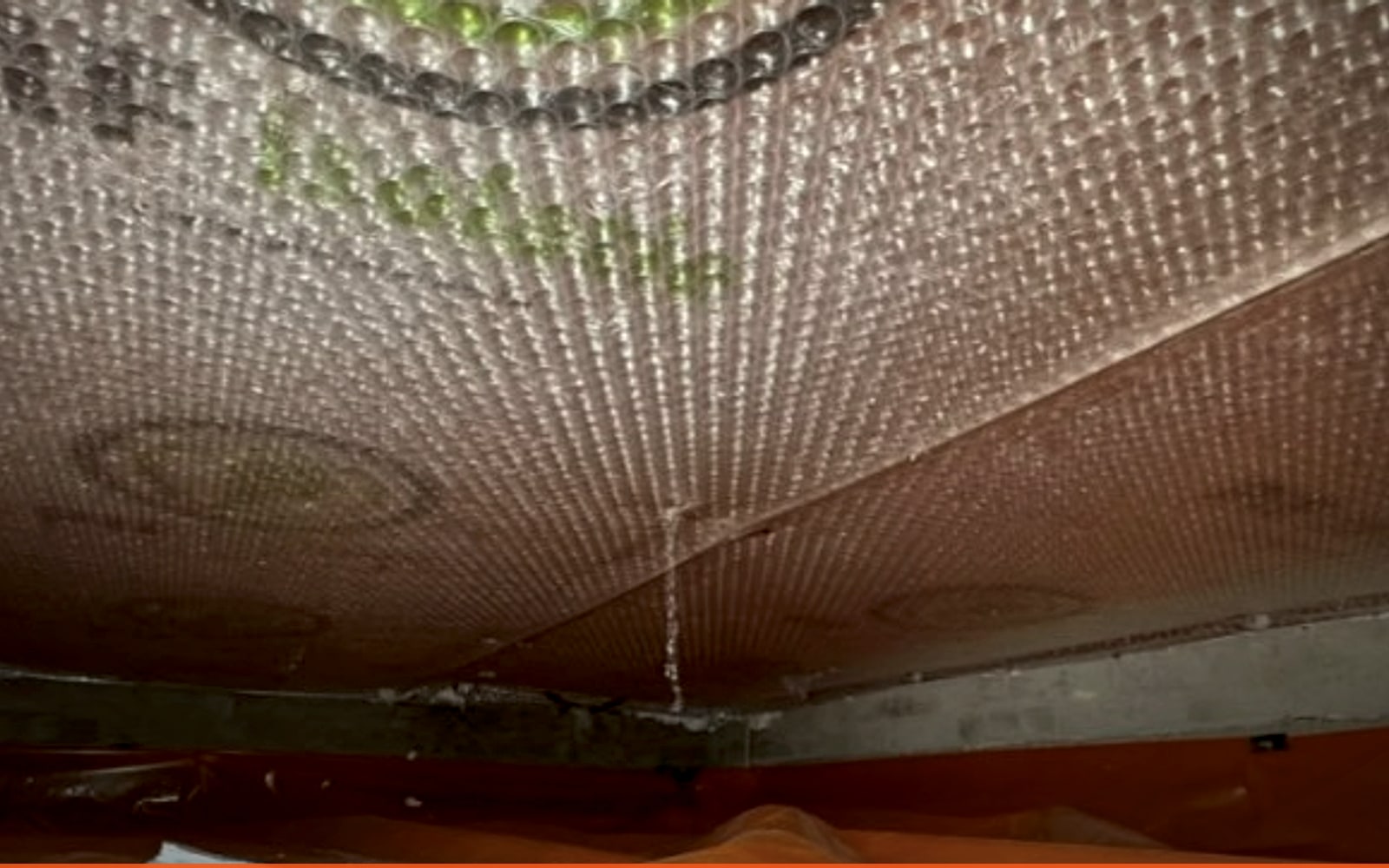
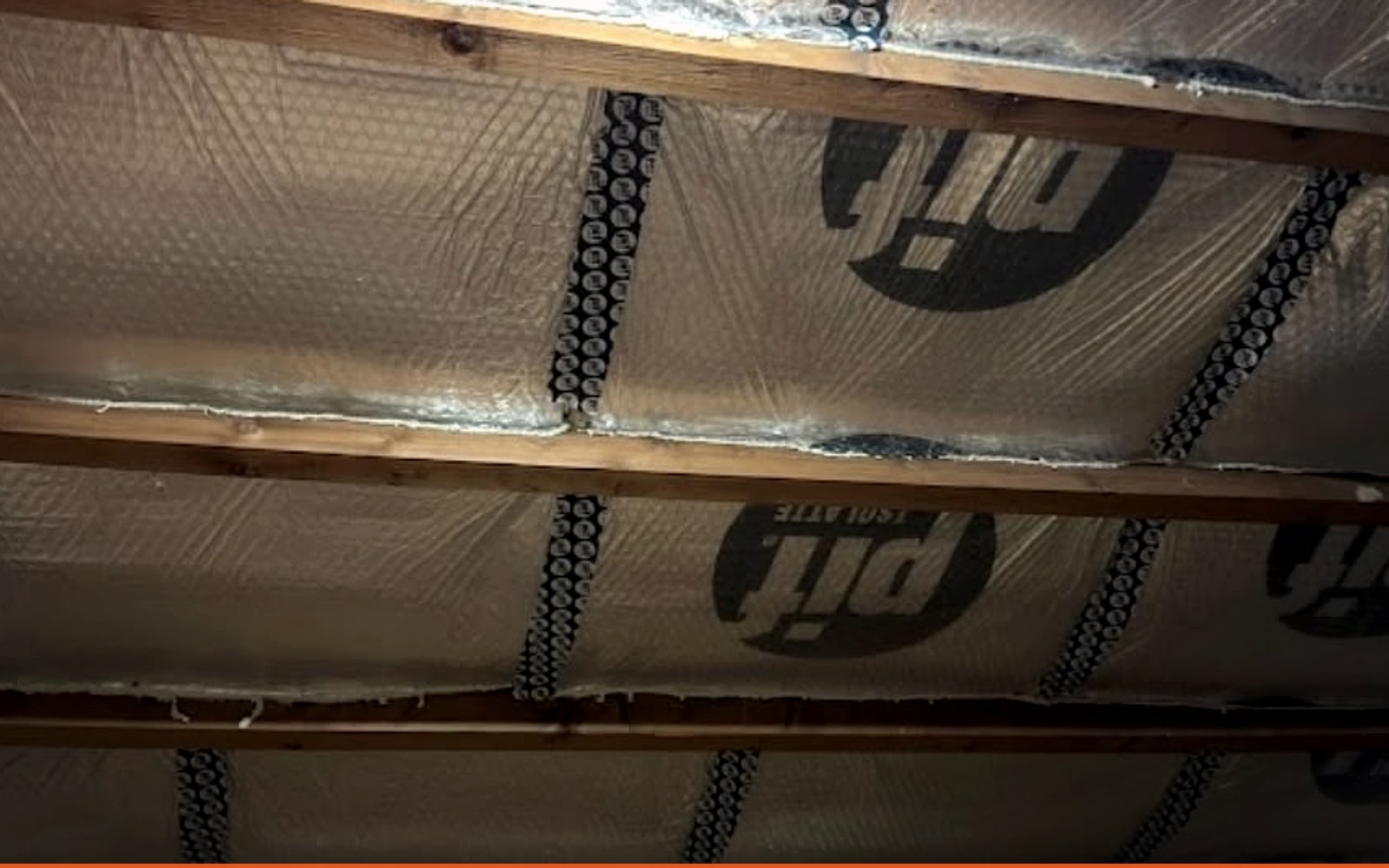
PIF is a multi-layer insulation solution that uses reflective layers and air layers. Performance depends on the chosen build-up and installation method. PIF can be a good option when a thin, efficient insulation build-up is desired.
Glass wool is a widely used insulation material that works well in many roof structures, including timber-beam constructions and irregular spaces.
Wood-fibre insulation is used for thermal insulation and sound absorption. It can be especially interesting in homes where comfort and natural materials matter as well.
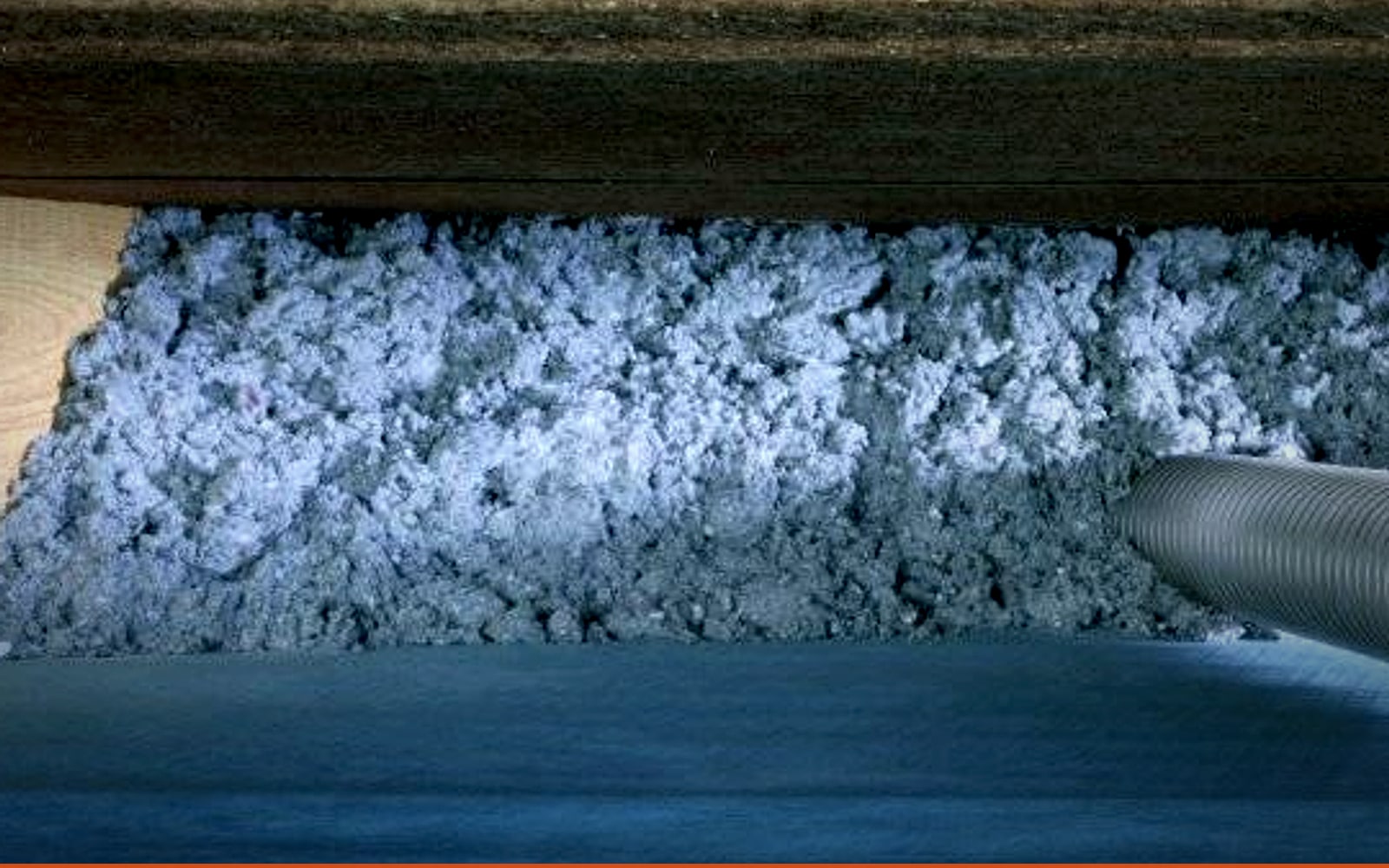
Cellulose insulation is made from cellulose fibres and can be used to fill cavities. It can be a strong option when a space needs to be fully packed with insulation material.
There is no single insulation material that is best for every roof. The right choice depends on:
01
We review how the roof is built and check the available space for insulation.
02
We look at existing insulation, membranes, moisture, leaks and the condition of the roof structure.
03
Based on the home, we determine which materials and build-up are most suitable.
04
Insulation is placed accurately, with close attention to proper joints between materials.
05
Where needed we apply the right vapour-control or moisture-regulating layer and finish seams and connections carefully.
06
After insulation, the roof can be prepared for the desired interior finish.
At 123Isolatie we believe good insulation starts with good preparation. We don’t simply choose the cheapest material — we look for the best solution within the available budget.
Our approach is based on: the right analysis + the right material + a correct roof build-up + careful installation.
Whether you choose PIR, PIF, URSA glass wool, Gutex Thermofibre, Easycell cellulose or another suitable material, we focus on what technically and practically fits your roof best.
123Isolatie: careful, efficient and focused on high-quality insulation at a fair price.
Find out which insulation step delivers the most for your home — personal and non-binding.
100% free consultation